SaaS Costs for a 10-Person Team in 2026: A Deep Dive
Exploring the financial impact of SaaS on small teams and a unified solution.
Discover the staggering SaaS costs for a 10-person team in 2026 and explore a unified solution that simplifies management and billing.
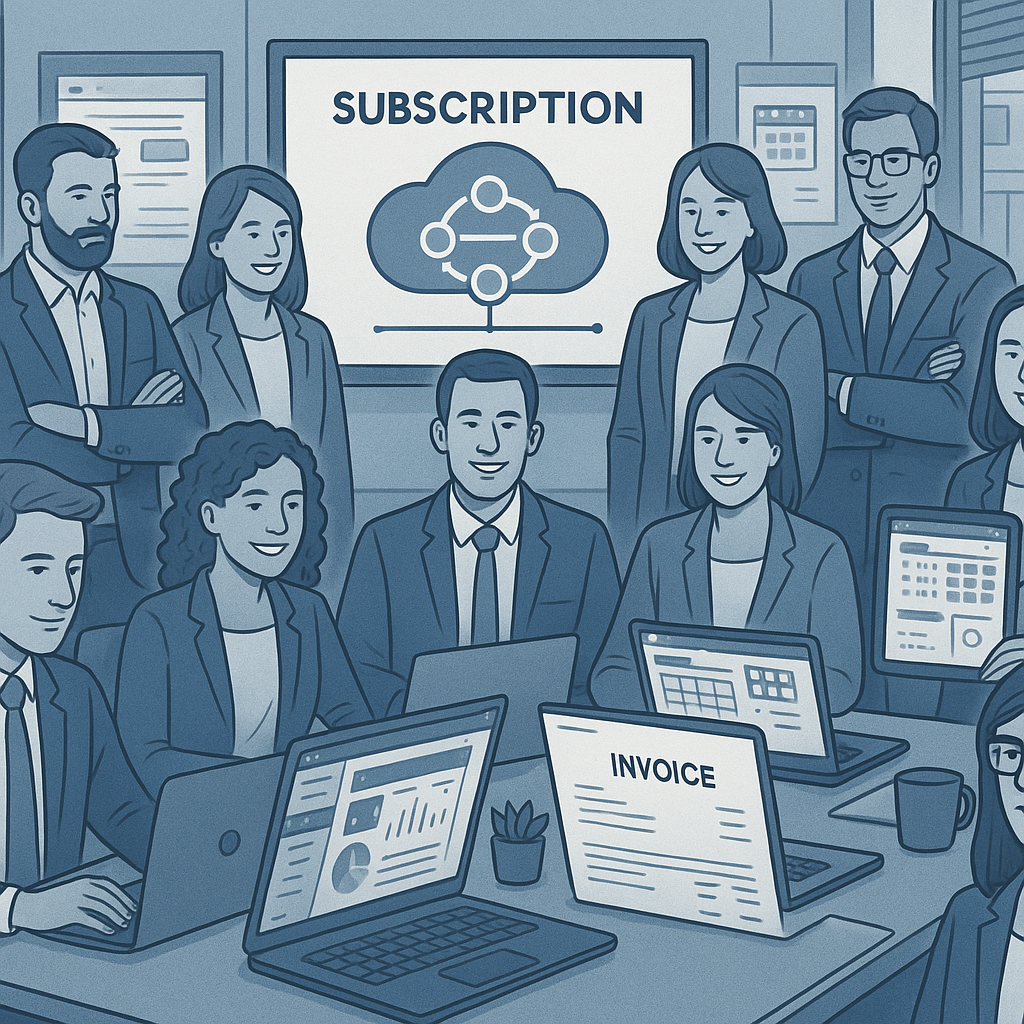
In 2026, the cost of SaaS tools for a small 10-person team can be surprisingly high. With each tool serving a specific function, the cumulative expense can quickly escalate. This article explores the typical SaaS stack for such a team and introduces a unified solution that simplifies management and billing.
What Does a Typical SaaS Stack Look Like?
A typical SaaS stack for a 10-person team includes a variety of tools, each serving a unique purpose. Here's a breakdown of the essential tools and their estimated costs:
- Form Tool: A form tool like Typeform or Google Forms is essential for collecting data. Estimated cost: $50/month.
- Invoicing Tool: Tools like QuickBooks or FreshBooks help manage billing. Estimated cost: $25/month.
- Payments Tool: Stripe or PayPal for processing payments. Estimated cost: $30/month.
- Chatbot: Intercom or Drift for customer interaction. Estimated cost: $100/month.
- Automation Tool: Zapier or Integromat for workflow automation. Estimated cost: $75/month.
- Social Scheduler: Buffer or Hootsuite for managing social media. Estimated cost: $50/month.
- Email Tool: Mailchimp or SendGrid for email marketing. Estimated cost: $100/month.
- Auth Provider: Auth0 or Okta for secure authentication. Estimated cost: $150/month.
- Scheduling Tool: Calendly or Doodle for appointment scheduling. Estimated cost: $25/month.
In total, these tools can cost a 10-person team approximately $605 per month, not including potential additional fees for extra features or usage limits.
Why Are SaaS Costs So High?
The high cost of SaaS tools is primarily due to the specialized nature of each service. Each tool is designed to solve a specific problem, and as a result, teams often need multiple subscriptions to cover all their needs. Additionally, pricing models often include tiered plans that can quickly become expensive as teams grow or require more features.
Introducing the SoftSolz Model
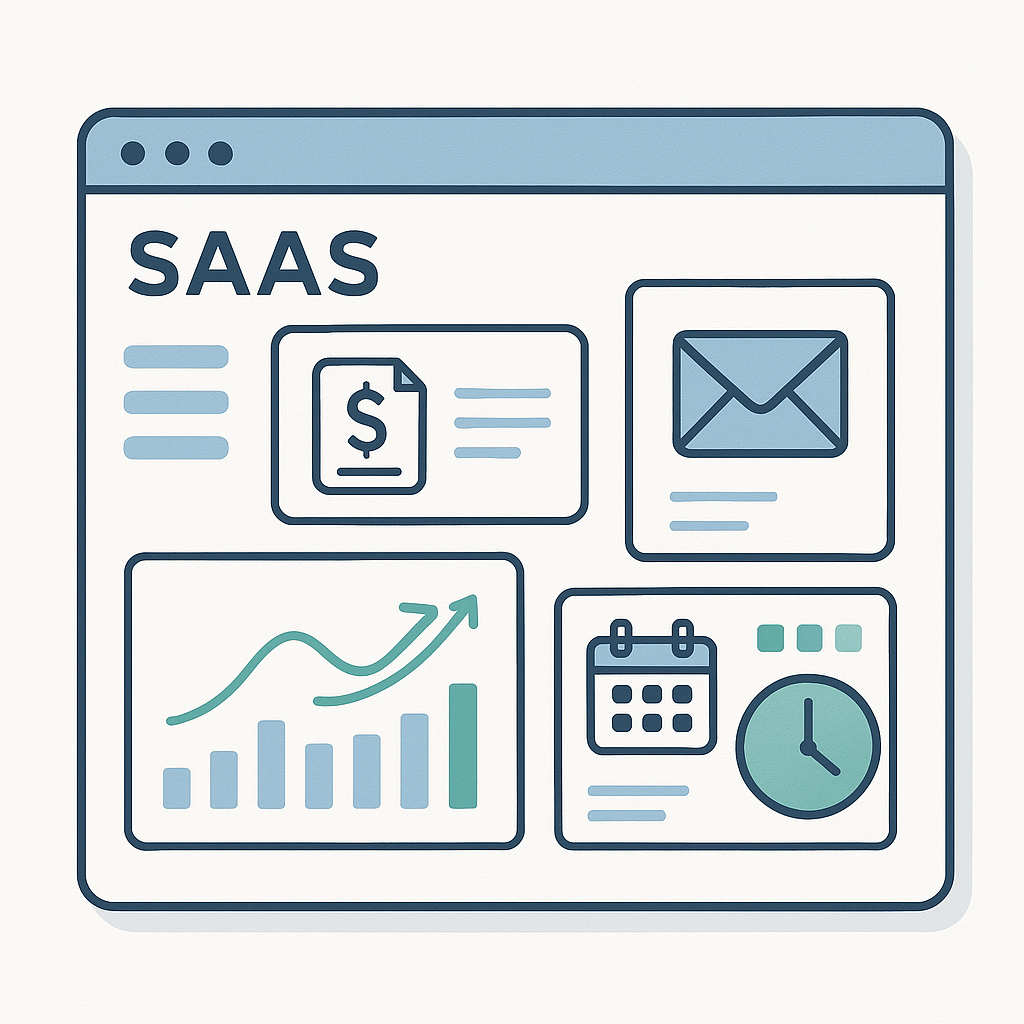
The SoftSolz model offers a revolutionary approach to SaaS management by providing a single global subscription per workspace. This model includes every service, with plan tiers differing only by usage limits rather than the services available. This means:
- One renewal date for all services.
- One invoice to manage.
- One admin dashboard for all tools.
- Quota lives in six shared buckets: seats, API calls, storage, AI credits, webhook endpoints, and API keys.
This approach simplifies the reconciliation process, reducing administrative overhead and potential errors.
What Are the Benefits of a Unified SaaS Solution?
A unified SaaS solution like SoftSolz offers several benefits:
- Cost Efficiency: By consolidating services, teams can often reduce overall costs.
- Simplified Management: With one dashboard and one invoice, managing subscriptions becomes significantly easier.
- Scalability: As teams grow, they can easily adjust their usage limits without needing to add new services.
- Flexibility: Teams can access all necessary tools without worrying about individual service limits.
Addressing the Single Vendor Risk
While a single vendor solution offers many advantages, it also presents a potential single point of failure. To mitigate this risk, SoftSolz provides a sandbox twin and data export options, ensuring that teams can maintain continuity and control over their data.
In conclusion, while the cost of SaaS tools for a 10-person team in 2026 can be substantial, solutions like SoftSolz offer a streamlined and efficient alternative. For more information on how SoftSolz can benefit your team, visit our pricing page.
Discussion
Loading responses…