Why APIs Are Crucial for Software Integration
Explore the vital role of APIs in modern software ecosystems.
APIs are essential for seamless software integration, enabling efficient communication and data exchange between diverse systems.
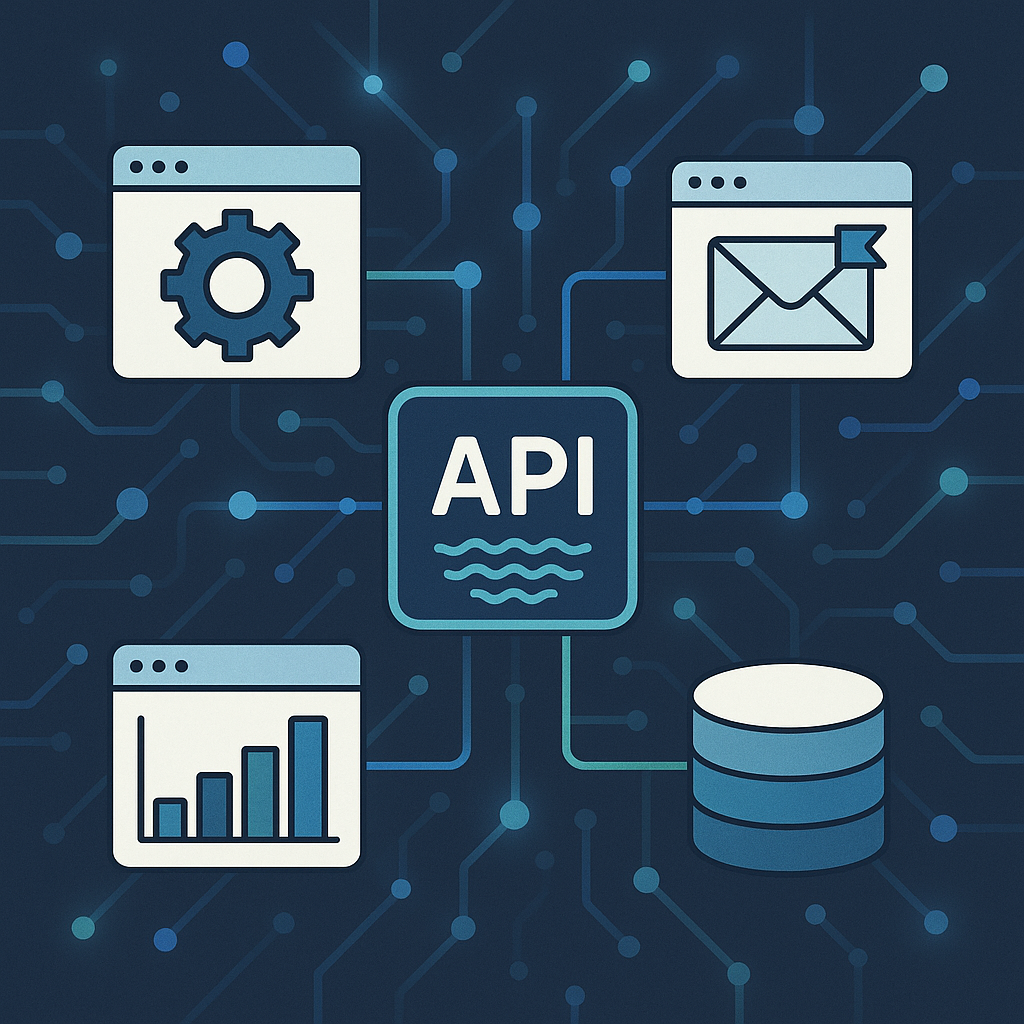
In today's interconnected digital landscape, APIs (Application Programming Interfaces) have become indispensable for software integration. They enable different software systems to communicate and share data efficiently, fostering innovation and enhancing functionality across platforms.
What are APIs and why are they important?
APIs serve as a bridge between different software applications, allowing them to interact and exchange information. This interaction is crucial for creating cohesive digital ecosystems where diverse applications can work together seamlessly. By providing a standardized way for applications to communicate, APIs facilitate the integration of new features and services without the need for extensive reprogramming.
How do APIs enhance software functionality?
APIs enhance software functionality by enabling developers to leverage existing services and data. This means that instead of building everything from scratch, developers can integrate third-party services to add new capabilities to their applications. For example, a weather app can use an API to fetch real-time weather data from a reliable source, enhancing its functionality without the need to develop its own data collection system.
- Efficiency: APIs streamline processes by automating data exchange between systems, reducing manual intervention.
- Scalability: They allow applications to scale by integrating additional services as needed, without overhauling existing systems.
- Innovation: By providing access to a wide range of functionalities, APIs enable developers to innovate and create new solutions quickly.
What are the benefits of using APIs for businesses?
For businesses, APIs offer numerous advantages that can lead to increased efficiency and competitive advantage. They enable companies to:
- Expand Reach: By integrating with popular platforms, businesses can reach a wider audience and offer their services in new markets.
- Improve Customer Experience: APIs allow for the creation of personalized and seamless user experiences by integrating various services and data sources.
- Reduce Costs: By reusing existing services and infrastructure, businesses can reduce development costs and time-to-market.
How are APIs shaping the future of software development?
APIs are at the forefront of software development, driving the shift towards more modular and flexible architectures. As businesses continue to adopt cloud-based solutions and microservices, APIs will play a critical role in ensuring these components work together harmoniously. This trend is expected to accelerate, with APIs becoming even more integral to digital transformation strategies.
In conclusion, APIs are not just a technical tool but a strategic asset that enables software integration, enhances functionality, and drives business growth. As the digital landscape evolves, the importance of APIs will only continue to grow, making them a cornerstone of modern software development.